Free Preparedness Tool

Medication Cold Storage Calculator

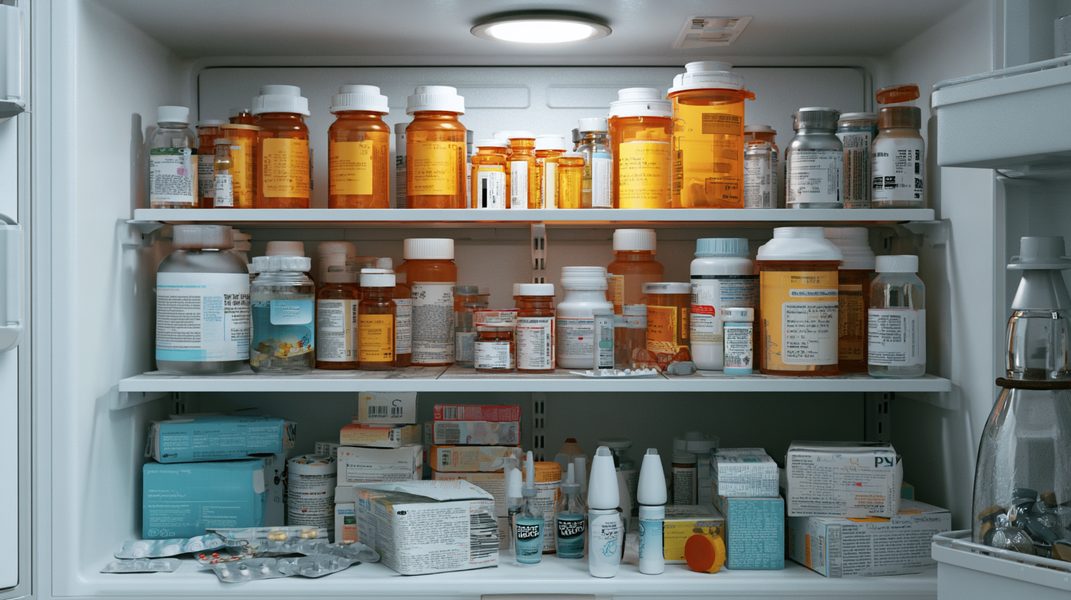
Inside view of a refrigerator with prescription medications, amber pill bottles, eye drops, and medicine boxes on two shelves

Power is out. Your refrigerator is warming up. How long does your medication stay safe — and what do you do right now? Enter your situation below for a planning estimate.

Enter Your Situation

Select your medication type, how long the power has been out, and your current storage setup. Results are planning estimates — always confirm with your pharmacist.

Select the category that best matches your medication. If unsure, choose the more sensitive option.
Enter hours since the power went out and your refrigerator stopped cooling.

What to do right now:

    Planning estimate only. These results are based on general manufacturer and FDA guidance. Individual medications vary. Temperature, humidity, and storage conditions all affect actual stability. Always confirm with your pharmacist or physician before making any decisions about refrigerated medications during a power outage. When in doubt, do not use medication you are uncertain about — contact your pharmacy for emergency supply guidance.

    Quick Reference: Medication Temperature Sensitivity

    General guidance based on manufacturer recommendations. Always verify with your specific medication's package insert or pharmacist.

    Medication Type Normal Storage Room Temp Limit Sensitivity
    Insulin (most types, opened) 36–46°F 28 days below 77°F Moderate
    Insulin (unopened vials) 36–46°F 28 days below 77°F Moderate
    Biologics (Humira, Enbrel, etc.) 36–46°F Varies — check insert High
    Ozempic / Wegovy (semaglutide) 36–46°F 56 days below 77°F (in use) Moderate
    Prescription eye drops 36–46°F Short-term only; check insert High
    Liquid antibiotics (reconstituted) 36–46°F Do not use if unrefrigerated High
    Probiotics (refrigerated) 36–46°F A few days at room temp Lower
    Suppositories 36–46°F Will melt above 77°F Moderate

    Sources: FDA, individual manufacturer prescribing information. Consult your pharmacist for your specific medication.

    Common Questions

    How long does insulin stay safe without refrigeration?
    Unopened insulin vials stored at room temperature (below 77°F/25°C) are generally considered safe for up to 28 days by most manufacturers. Once opened, most insulin manufacturers recommend use within 28 days regardless of storage. Above 86°F, insulin degrades significantly faster. Always confirm with your pharmacist and check your specific insulin brand's package insert.
    How long do medications stay cold in a refrigerator without power?
    A full refrigerator with the door kept closed will maintain safe temperatures (below 46°F) for approximately 4 hours. A refrigerator with a full complement of ice bricks or frozen gel packs can extend this to 8–12 hours. A quality insulated cooler packed with ice bricks can maintain safe medication temperatures for 24–48 hours or longer depending on ambient temperature.
    What temperature is too hot for refrigerated medications?
    Most refrigerated medications should be kept between 36°F and 46°F (2°C–8°C). Once temperatures rise above 77°F (25°C), degradation accelerates significantly for most biologics and insulins. Above 86°F (30°C), most manufacturers consider refrigerated medications compromised. Always consult your pharmacist — specific temperature thresholds vary by medication.
    What should I do with insulin during a power outage?
    Move insulin to an insulated cooler with ice bricks or frozen gel packs immediately. Do not place insulin directly on ice — wrap in a cloth or use a medication cooler pouch. Keep the cooler out of direct sunlight and in the coolest room available. Contact your pharmacy or physician if the outage extends beyond 24 hours to discuss your options.
    Can I still use medication that got warm during a power outage?
    This depends entirely on the medication, how long it was warm, and how warm it got. Do not assume it is safe. Degraded insulin, for example, may look and smell normal but deliver unpredictable dosing — a potentially life-threatening situation. When in doubt, contact your pharmacist. Most pharmacies can provide emergency supplies during a declared disaster.
    How do I prepare for medication refrigeration loss before a storm?
    Ask your doctor for a 90-day supply of medications. Keep a supply of reusable ice bricks in your freezer year-round. Have a quality insulated cooler ready. Know which of your medications require refrigeration and which can be stored at room temperature. Ask your pharmacist now — before an emergency — what to do if refrigeration is lost for your specific medications.
    Medical Disclaimer: The Medication Cold Storage Calculator provides general planning estimates based on publicly available manufacturer and FDA guidance. It does not constitute medical advice and is not a substitute for consultation with your physician or pharmacist. Medication stability varies by product, formulation, storage conditions, and individual circumstances. Always consult your healthcare provider or pharmacist before making decisions about medications that may have been improperly stored. In a medical emergency, call 911. In any emergency, follow official guidance from FEMA Ready.gov and your local emergency management authority. Franklyns Bay LLC assumes no liability for decisions made based on this tool. Full disclaimer →