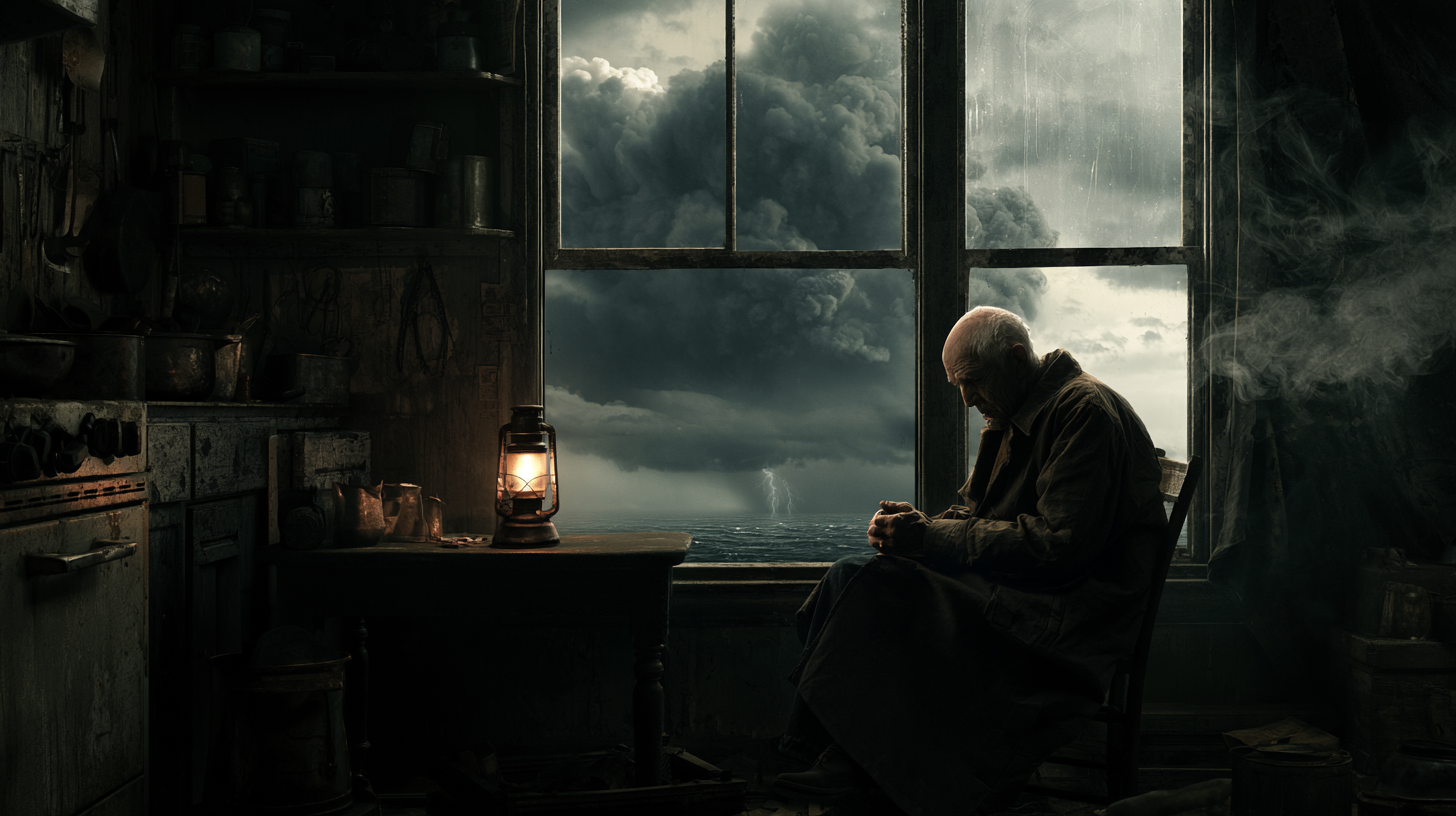
Why Every Senior in America Is Vulnerable
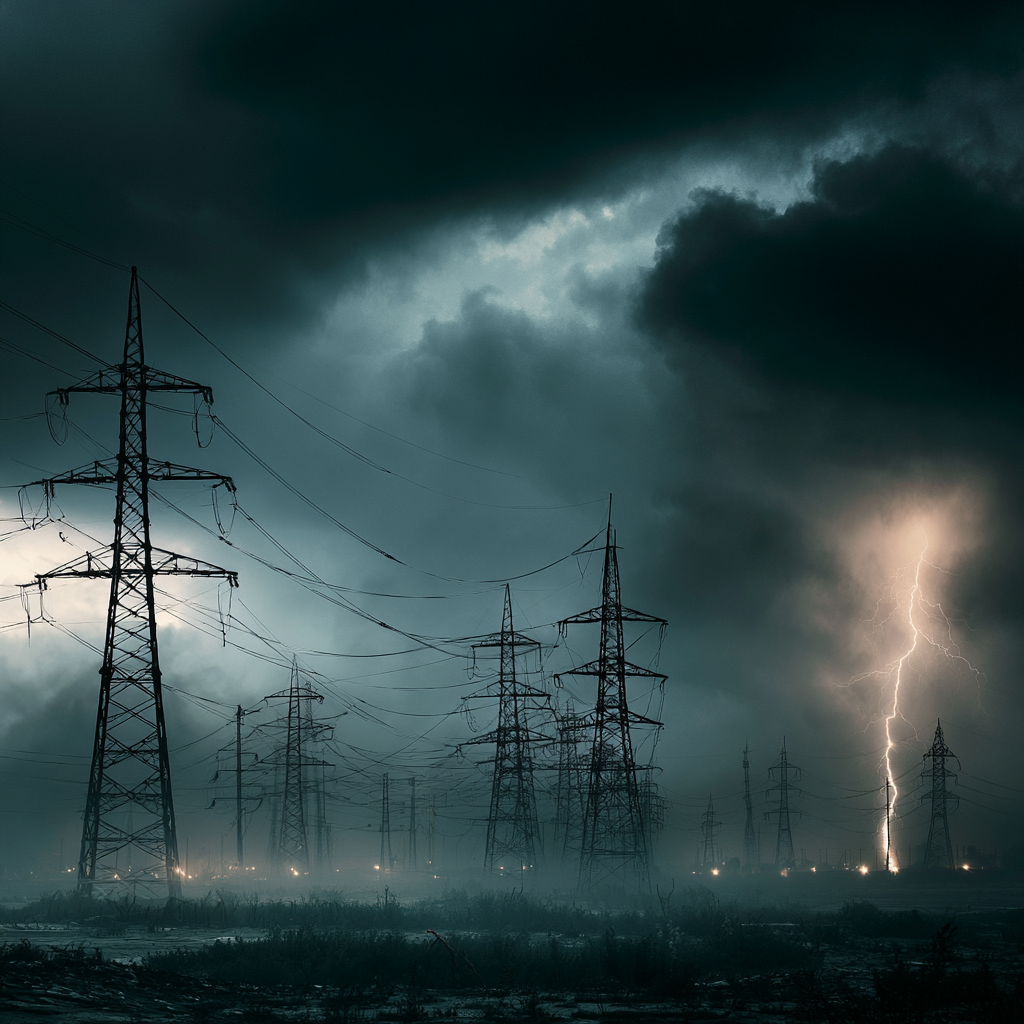
Most people think a power outage means a storm hit their house. That is not how the grid works. The American electrical grid is a single interconnected system stretching across entire regions. When something fails anywhere in that system — a substation 40 miles away, a transmission line in the next county, a cyberattack on a control system in another state — the failure ripples outward and takes your power with it. And it does not come back in an hour. When Hurricane Ian knocked out power across southwest Florida in 2022, some neighborhoods waited three weeks for restoration. When the Texas ice storm hit in February 2021, millions of residents went without power for four to seven days in single-digit temperatures. When a single large transformer fails — the kind that serves your entire neighborhood — the replacement has to be manufactured overseas and can take 12 to 18 months to arrive. For seniors living alone with medical equipment, refrigerated medications, or mobility limitations, a long-term outage is not a theoretical possibility. It is a documented, recurring reality that strikes coastal communities during hurricane season, inland communities during tornado outbreaks, and western communities during wildfire season — and it can last days, weeks, or longer. Below are the 15 documented reasons your power can go out — and why none of them require a disaster to hit your front door to put your life at risk.
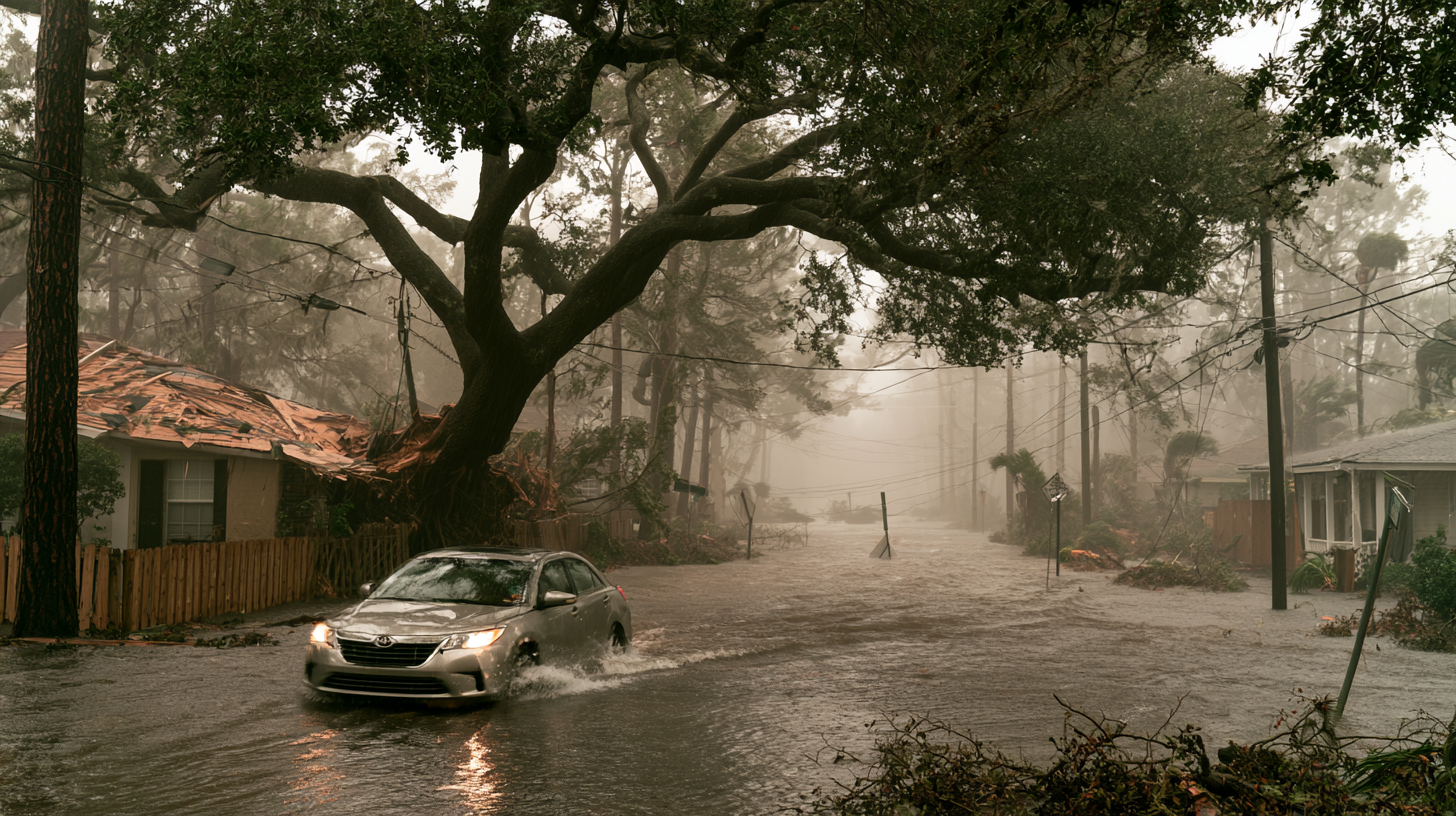
Natural Weather Events
Hurricanes, tornadoes, ice storms, blizzards, and heat domes don't have to hit your house to take your power. They hit the infrastructure that serves your house — and that infrastructure can be hundreds of miles away.
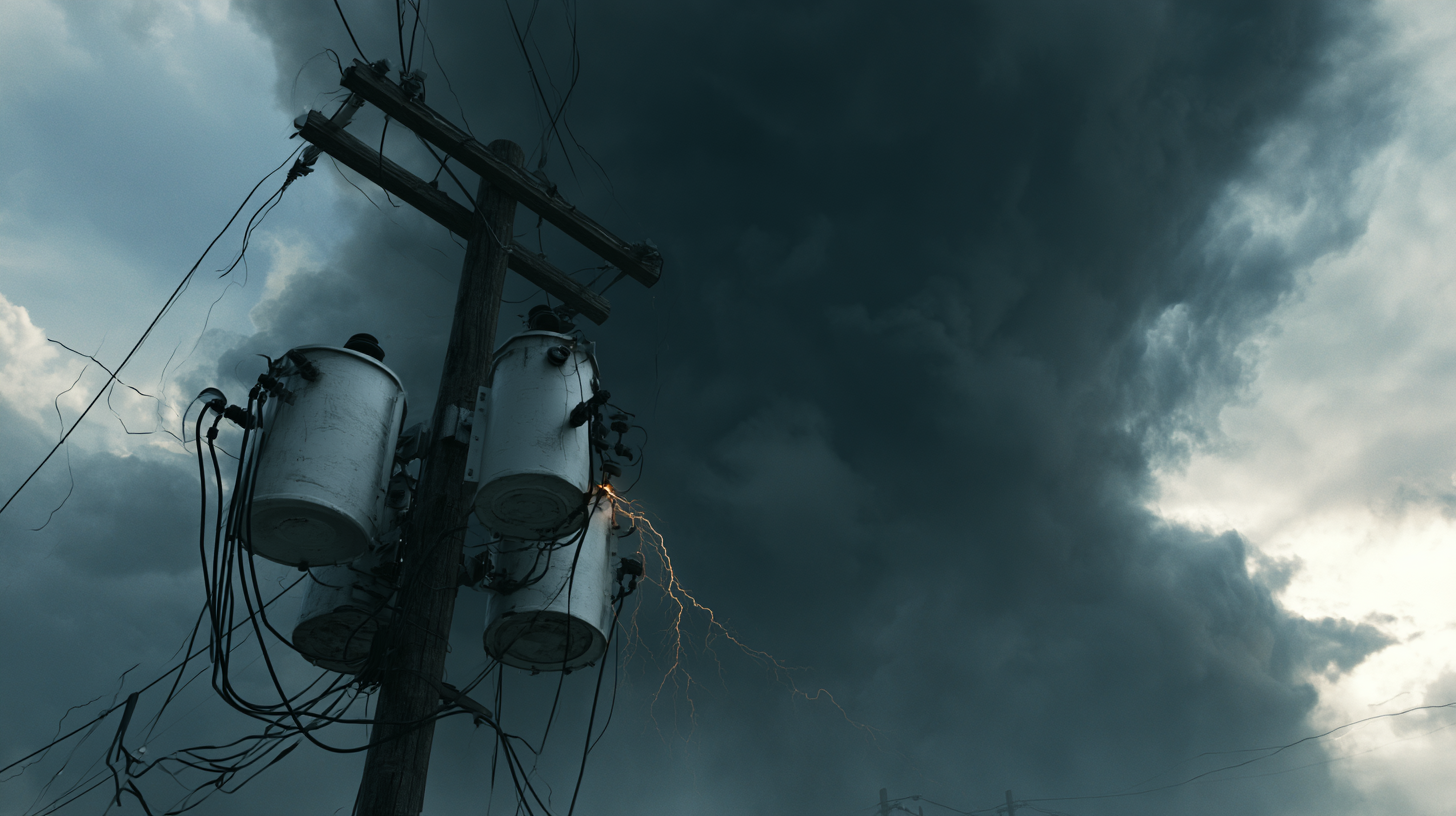
Grid Infrastructure Age
The average American power transformer is over 40 years old. The grid was built for a different era — before climate extremes, before modern demand, before cyber threats. Aging equipment fails without warning and without weather.
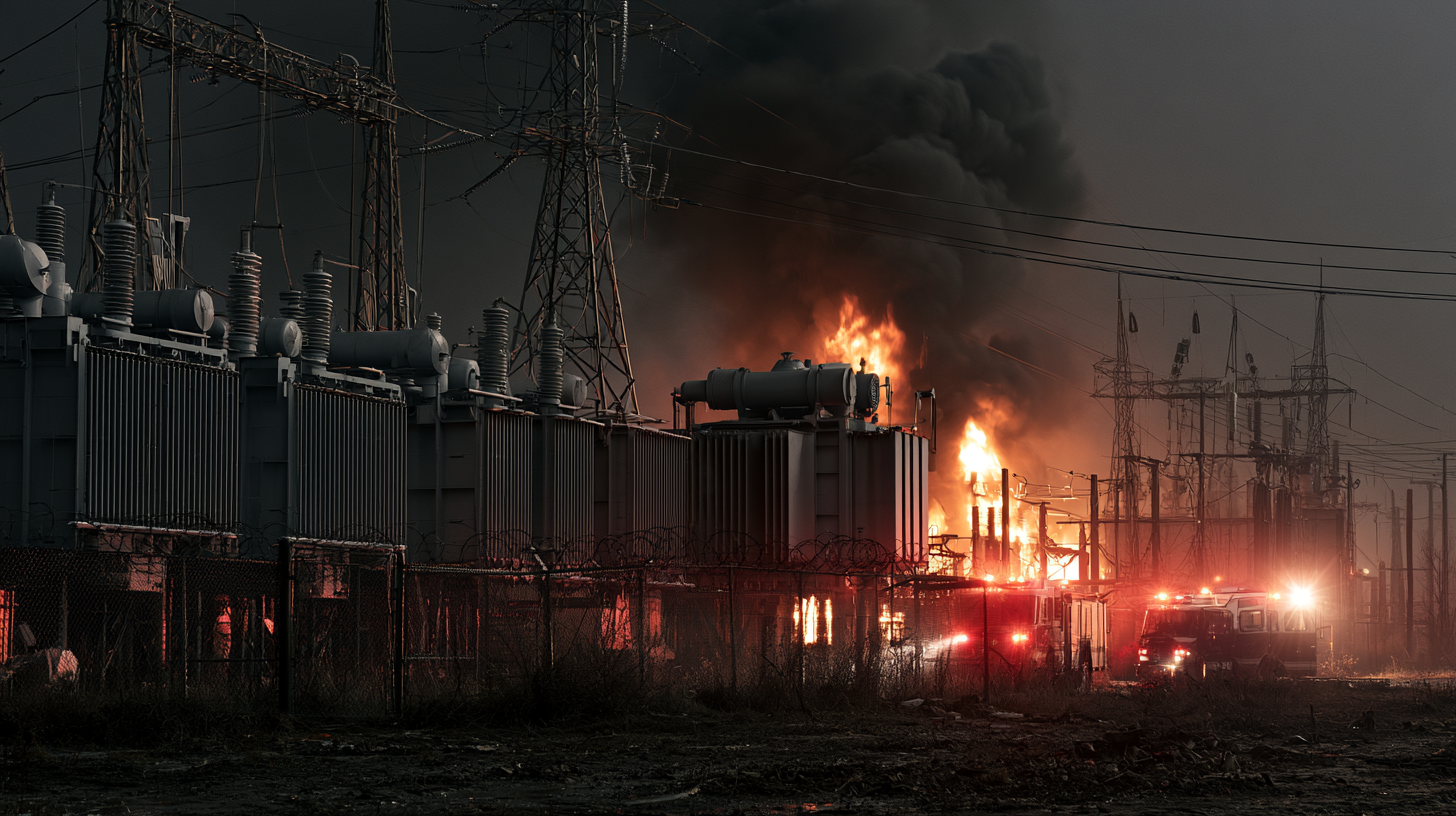
Substation Failures & Attacks
A single substation serves tens of thousands of homes. Fire, explosion, equipment failure, flooding, vandalism, or a sniper attack on the wrong transformer can knock out an entire region for days or weeks.

Cyberattacks on the Grid
Foreign nations and criminal organizations have already successfully hacked American utility companies. A coordinated cyberattack on grid management software could cause cascading outages across entire regions with no physical damage at all.
Physical Terrorism
Coordinated physical attacks on transmission towers and substations are a documented and growing threat. FERC has warned that destroying just nine key substations could collapse the entire US grid for 18 months.
Animals & Wildlife
Squirrels are the single most common cause of substation outages in the United States. Birds, snakes, raccoons, and rats cause thousands of outages every year by contacting equipment that was never designed to keep them out.
Human Accidents
A backhoe cuts a buried cable. A construction crew drills into an underground line. A farmer's irrigation equipment contacts a power line. Human error causes thousands of outages every year with no weather involved at all.
Vehicle Accidents
A car wraps around a utility pole at 3am. A semi-truck takes out a row of poles on a highway. A crane operator hits a transmission line. Vehicle accidents knock out power to thousands of homes every single day across America.
Solar & Space Weather
A powerful solar flare can induce massive electrical currents in transmission lines and fry transformers across entire continents. The 1989 Quebec geomagnetic storm knocked out power to 6 million people in 90 seconds. Scientists say it will happen again.
Demand Overload & Rolling Blackouts
When everyone runs their AC simultaneously during a heat wave, utilities issue rolling blackouts to prevent total grid collapse. Your power goes out on a schedule — not because anything broke, but because there simply isn't enough electricity to go around.
Water & Hydroelectric Failures
Drought reduces hydroelectric output and forces grid operators to cut supply. Flooding damages hydro infrastructure. Dam failures can take generating capacity offline for months. Water and electricity are more connected than most people realize.
Nuclear & Power Plant Shutdowns
An unplanned reactor shutdown removes thousands of megawatts from the grid instantly. Natural gas pipeline failures knock out gas-fired plants. When a major power source goes offline unexpectedly, the ripple effect reaches homes miles away.
Political & Economic Failures
Utility company mismanagement, regulatory failures, deferred maintenance due to budget cuts, and political decisions about grid investment all translate directly into reliability failures for the people at the end of the line.
Communication & Control System Failures
SCADA systems control the flow of electricity across the grid. Software bugs, GPS disruptions, and communication failures in these systems can cause outages with no physical cause at all — the grid simply loses the ability to manage itself.
Prolonged Outage Multipliers
When a major outage hits, your neighborhood waits while hospitals get power first. Replacement transformers come from overseas and take months to arrive. Utility crews work from hundreds of miles away. Short outages become long ones — fast.
All event data and statistics cited on this page are drawn from public domain government sources including FEMA, NOAA, CDC, EIA, NERC, DOE, FERC, and the American Red Cross. Individual scenarios described are illustrative composites representing conditions documented across thousands of real events. No specific individuals are identified or implied. This page is for general preparedness awareness only and does not constitute medical, legal, or emergency management advice.
Your Backup Power Options
Every senior needs at least one layer of backup power. Here are the three main options — from most affordable to most comprehensive.
Portable Battery Banks
The easiest starting point. Powers phones, CPAP machines, lights, and small devices. No installation required. Price range $200–$2,000.
Budget Options on Amazon Top-Rated on AmazonPortable Generators
Powers refrigerators, window AC units, medical equipment, and multiple devices simultaneously. Requires fuel storage. Price range $500–$3,000.
Budget Options on Amazon Top-Rated on AmazonWhole-Home Standby Generators
Turns on automatically when power goes out. Powers your entire home including central AC and all medical equipment. Price range $5,000–$20,000 installed.
Entry Level on Amazon Top-Rated on AmazonSolar + Battery Systems
No fuel required. Silent operation. Powers your home indefinitely as long as the sun shines. Best long-term investment for seniors in sun-belt states. Price range $8,000–$30,000 installed.
Portable Solar on Amazon Top-Rated on Amazon