Tell Us About Your Household
Answer the questions below. We'll generate a personalized go-bag checklist sized for your specific household — with weight estimates and cost guidance.
Common Questions
How heavy should a go-bag be?
FEMA recommends a go-bag weigh no more than 25% of your body weight. For most seniors, that means 15–25 lbs maximum. Prioritize the essentials — medications, documents, water, and a 3-day food supply — over comfort items. Use a wheeled bag if carrying weight is difficult.
What documents should I include in my go-bag?
Include copies of: photo ID, passport, Social Security card, Medicare/Medicaid cards, insurance cards, medication list with doses, doctor's contact information, bank account information, property deeds or lease, and emergency contacts. Store in a waterproof bag or pouch inside your go-bag.
How do I evacuate with a CPAP machine?
Most modern CPAP machines weigh 1–3 lbs and travel well. Pack the machine, power cord, a travel-size distilled water supply (or go without humidification for short trips), extra filters, and your prescription information. A battery backup unit for your CPAP adds weight but provides 1–3 nights of operation without power.
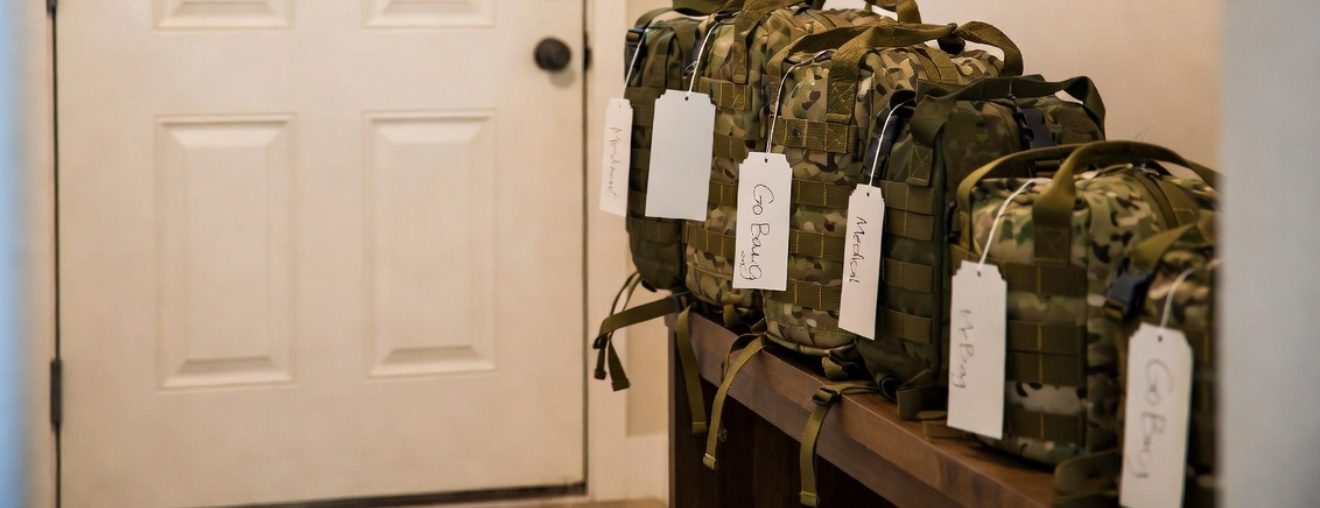
Where should I store my go-bag?
Store your go-bag near your primary exit — hall closet, garage, or bedroom closet. It should be accessible within 2 minutes. Review and restock every 6 months: replace expired food and medications, update documents, and check battery-powered items. Put a calendar reminder in your phone.